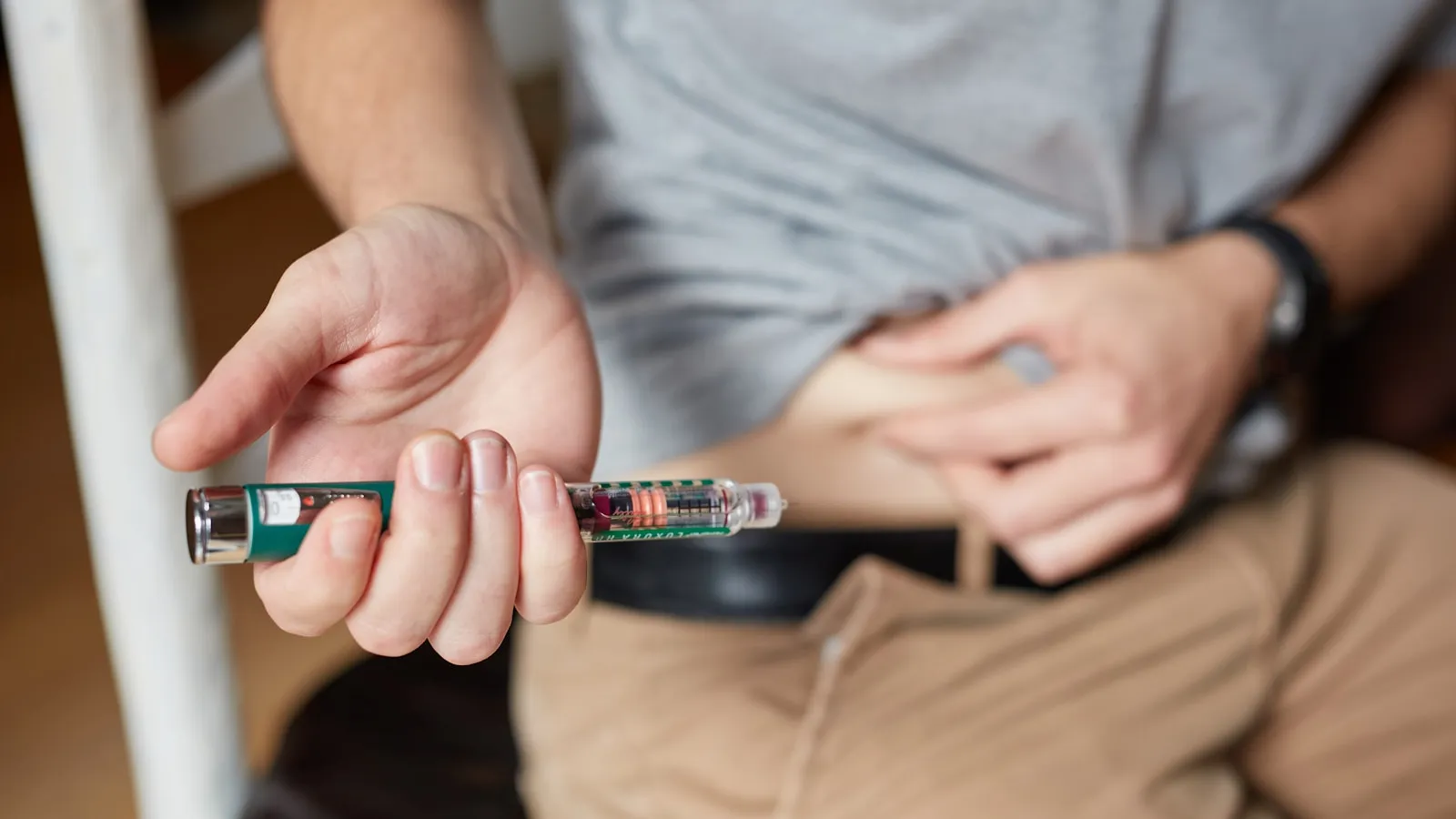
GLP-1 Check-in Panel
The 3-month safety and progress check clinics do: pancreas, liver, kidneys, salts and your metabolic progress on GLP-1 medication.
Sodium balance is important for blood pressure management and cognitive function, both of which may need more attention with age. Regular monitoring supports cardiovascular well-being.
Doctor's Assessment Included
See the value that applies to you:
Choose male or female — this range differs by sex.
Enter your age — this range changes with age.
This range also depends on context such as cycle phase or sample material; the highlighted rows apply to your group.
| Age | Reference range (mmol/l) | Relative scale |
|---|---|---|
| 1 years and older | 136–145 mmol/l |
136
145
|
Source: NVKC Reference population: Nederlandse huisartsenpopulatie (NUMBER, n=7.574.327)
Reference ranges may vary between laboratories. When you order a test, a BIG-registered doctor assesses your personal results in context. For treatment decisions, discuss your results with your GP.
Check your own valueThis test measures the concentration of sodium in your blood. It helps assess hydration status, kidney function, and electrolyte balance.
Sodium balance is essential for proper nerve transmission, muscle contraction, and blood pressure regulation. Significant imbalances can affect brain function and require medical attention. Consult your healthcare provider for guidance.
Testing is commonly included in routine blood panels. It may also be recommended if you take diuretics, experience confusion, have kidney disease, or show signs of dehydration or overhydration.
Low sodium (hyponatraemia) may cause headache, nausea, confusion, fatigue, muscle cramps, and in severe cases, seizures. It requires prompt medical evaluation.
High sodium (hypernatraemia) may cause excessive thirst, restlessness, confusion, and in severe cases, neurological symptoms. It is often related to dehydration.
Maintain balanced salt intake and stay well-hydrated. Excessive salt consumption may contribute to high blood pressure. Be mindful of sodium content in processed foods.
Most guidelines recommend limiting sodium intake. However, individual needs vary based on health conditions and activity level. Your healthcare provider can offer personalised guidance.
Yes, excessive water intake without electrolyte replacement can dilute blood sodium levels (hyponatraemia), especially during prolonged exercise.
Sodium is essential for health — the concern is excessive intake. A moderate, balanced approach to salt consumption is generally recommended. Discuss your needs with your healthcare provider.
This marker is included in the following test panels.
The 3-month safety and progress check clinics do: pancreas, liver, kidneys, salts and your metabolic progress on GLP-1 medication.
The 6-month measurement: everything from the check-in plus insulin, ApoB and your nutrients — especially relevant if you have been eating much less for a while.
Your starting point before the first injection: blood sugar, cholesterol, pancreas, liver, kidneys, thyroid and nutrients in one measurement.
Medical reviewer
Dr. Naimi oversees the medical standards behind our content and assessments.
Medical policyDoctor's Assessment Included
Every result includes a professional assessment from a BIG-registered doctor. For treatment decisions, discuss your results with your GP.
Sodium
€7,-
We use cookies to analyze site usage and measure ad effectiveness. Privacy Policy