Your session has expired. Reloading...

Creatinine: what meat, creatine and your muscles do to this kidney value

According to a 2026 review, every day your body converts about 1 to 2% of its creatine store into creatinine, on average 1 to 2 grams a day in adults. Your muscles use creatine for energy, and creatinine is the waste product your kidneys then remove from your blood.

According to that review, a lot of meat and creatine supplements can push creatinine up while kidney function is unchanged, and according to the NVKC a kidney that works less well can also make the value rise. Only a blood test shows how much creatinine you have.

Certe gives 50 to 90 µmol/l for women and 50 to 110 µmol/l for men among adults above 18.

Doctor's Assessment Included

Creatinine is a waste product from the muscles that the kidneys filter out of the blood and pass into the urine. For adults up to 50, the upper limit at the four laboratories is 90 or 91 µmol/l for women and between 104 and 113 µmol/l for men.

  • Creatinine depends on muscle mass, so men usually have higher values than women and children.
  • The eGFR, an estimate of how well the kidneys filter, is calculated from creatinine, age and sex; according to the UK NICE guideline, an eGFR below 60 in an adult not tested before is repeated within 2 weeks.
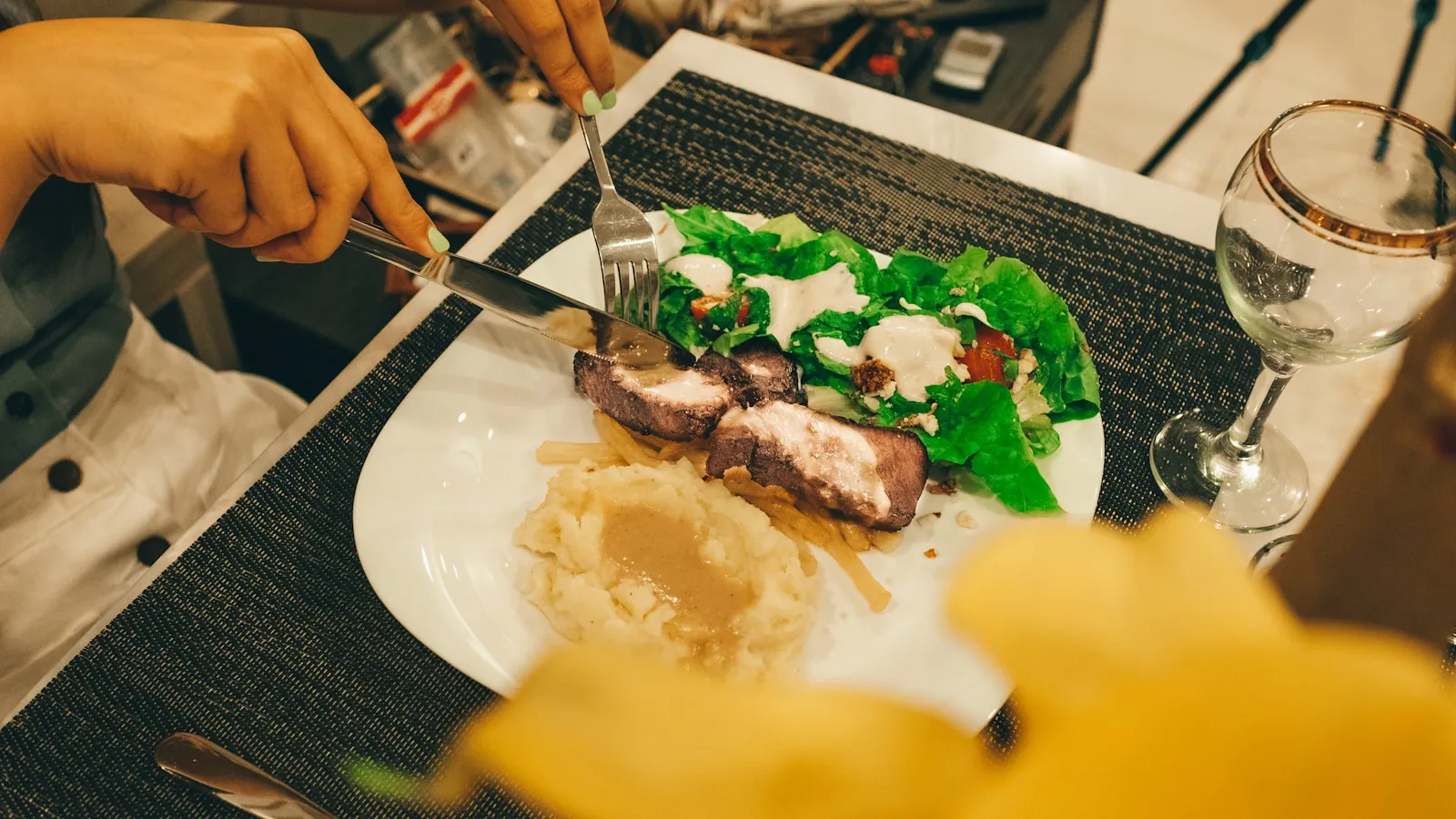
  • The UK NICE guideline advises eating no meat in the 12 hours before a creatinine test.

Reference Ranges

See the value that applies to you:

Choose male or female — this range differs by sex.

Enter your age — this range changes with age.

This range also depends on context such as cycle phase or sample material; the highlighted rows apply to your group.

Your reference range
umol/l
38 149 umol/l
Reference ranges by group, in umol/l
Male · 6–12 years 38–63 umol/l
38 63
Male · 13–18 years 48–101 umol/l
48 101
Male · 19–50 years 61–113 umol/l
61 113
Male · 51–65 years 61–120 umol/l
61 120
Male · 66–80 years 62–134 umol/l
62 134
Male · 81 years and older 65–149 umol/l
65 149
Female · 6–12 years 38–65 umol/l
38 65
Female · 13–18 years 46–83 umol/l
46 83
Female · 19–50 years 48–91 umol/l
48 91
Female · 51–65 years 48–99 umol/l
48 99
Female · 66–80 years 48–113 umol/l
48 113
Female · 81 years and older 49–132 umol/l
49 132
38 149 umol/l

Source: NVKC Reference population: Dutch general-practice population (NUMBER, n = 7,574,327)

Reference ranges may vary between laboratories. When you order a test, a BIG-registered doctor assesses your personal results in context. For treatment decisions, discuss your results with your GP.

Check your own value

Creatinine: what Dutch laboratories use

Reference ranges by group, in umol/l
Star-shl · Male · 19–50 years 61–113 µmol/l
61 113
Star-shl · Female · 19–50 years 46–91 µmol/l
46 91
Star-shl · Male · 51–65 years 61–120 µmol/l
61 120
Star-shl · Female · 51–65 years 48–99 µmol/l
48 99
Star-shl · Male · 66–80 years 62–134 µmol/l
62 134
Star-shl · Female · 66–80 years 48–113 µmol/l
48 113
Star-shl · Male · 81 years and older 65–149 µmol/l
65 149
Star-shl · Female · 81 years and older 49–132 µmol/l
49 132
Unilabs · Male · 19–50 years 61–113 µmol/l
61 113
Unilabs · Female · 19–50 years 48–91 µmol/l
48 91
Unilabs · Male · 51–65 years 61–120 µmol/l
61 120
Unilabs · Female · 51–65 years 48–99 µmol/l
48 99
Unilabs · Male · 66–80 years 62–134 µmol/l
62 134
Unilabs · Female · 66–80 years 48–113 µmol/l
48 113
Unilabs · Male · 81 years and older 65–149 µmol/l
65 149
Unilabs · Female · 81 years and older 49–132 µmol/l
49 132
Certe · Male · 18 years and older 50–110 umol/L
50 110
Certe · Female · 18 years and older 50–90 umol/L
50 90
Diagnostiek voor U · Male · 17 years and older 64–104 µmol/L
64 104
Diagnostiek voor U · Female · 17 years and older 49–90 µmol/L
49 90
0 163.9 umol/l

Source: Star-shl

Source: Unilabs

Source: Certe

Source: Diagnostiek voor U

Each value as the laboratory itself publishes it, retrieved in 2026.

Creatinine: what this test measures

The creatinine test measures in micromoles per litre (µmol/l) how much creatinine is in your blood, and that number depends on your height and your muscle mass, according to the NVKC.

Creatinine: why this value matters

According to the NVKC, creatinine has to be removed from your blood by your kidneys, and with kidney damage too many waste products stay behind in your blood, according to Thuisarts. Thuisarts names unhealthy eating with a lot of salt and a lot of unhealthy fats as one of the causes of kidney damage.

Creatinine: how the blood test works

Referral
No GP referral needed. After the order we arrange the referral through ZorgDomein, within one business day; orders after 17:00 or at the weekend start on the next business day. ZorgDomein emails a barcode, and that barcode is what the draw site needs.
The draw
A blood draw from a vein in the arm, at a partner laboratory's draw site. No home kit, no finger prick.
Which test
GLP-1 Check-in Panel · €109,- · GLP-1 Extended Panel · €196,- · GLP-1 Baseline Panel · €214,-
Where
650+ draw sites run by independent laboratories across the Netherlands. Draw sites

Creatinine: how to prepare

  1. Better no hard training beforehand

    Recommended

    Hard exercise in the 48 hours before can raise this value temporarily. Plan the draw on a rest day if you can.

  • Water is always fine. Drink as usual beforehand, it makes the draw easier.
  • Take your usual medication, unless your own doctor told you otherwise.

Creatinine: when is testing worthwhile?

According to the UK NICE guideline, adults having a blood test for the eGFR from creatinine are advised not to eat any meat in the 12 hours before. In one trial in healthy adult men, creatinine rose by 52% after 225 g of cooked meat, peaking within 1.5 to 3.5 hours and with a rise that lasted up to 24 hours after the meal, according to a 2026 review.

Creatinine: symptoms of a high or low value

Low Levels

A low creatinine can go with little muscle mass, because according to the NVKC your body makes less creatinine when your muscle mass decreases. According to the NVKC, a lowered value is usually no reason for concern.

High Levels

Kidney damage that is not yet serious can already raise creatinine, while according to Thuisarts people often notice nothing of it themselves. According to a 2025 meta-analysis, creatinine rose modestly and transiently with creatine use, likely through the conversion of creatine, while kidney filtering did not change significantly.

Creatinine: causes of a low or high value

What lowers the value

  • Low muscle mass

    With less muscle mass, such as with long bed rest, after an amputation or at an old age, creatinine falls; a low value is usually no reason for concern.

  • Pregnancy

    During pregnancy, creatinine can be slightly lower.

What raises the value

  • Kidneys that work less well

    A kidney infection, damage to the kidneys from a toxic substance or a medicine, an autoimmune disease, or blocked urine flow from prostate disease or kidney stones can raise creatinine.

  • Less blood to the kidneys

    Dehydration, heart failure or shock reduce blood flow to the kidneys, and that can raise creatinine.

  • Much muscle mass or muscle damage

    How much creatinine the body makes depends on height and muscle mass, and muscle damage, for example from an accident, raises creatinine temporarily.

  • Meat, creatine or testosterone

    Creatine supplements, a lot of meat and testosterone can raise creatinine without the kidneys working worse; in one trial in healthy adult men, creatinine rose by 52 percent within 1.5 to 3.5 hours after 225 grams of cooked meat, and the rise lasted up to 24 hours.

  • The antibiotic trimethoprim

    Trimethoprim blocks the kidneys' secretion of creatinine, so that creatinine rises while kidney filtering stays the same.

Creatinine: lifestyle and this value

Talk to your GP about a raised creatinine. According to Thuisarts, overweight makes the chance of diabetes, high blood pressure and high cholesterol greater, and according to Thuisarts a good weight is therefore also good for your kidneys.

Creatinine: frequently asked questions

Can eating meat raise your creatinine?

Yes, a lot of meat can raise creatinine: in one trial in healthy adult men, creatinine rose by 52% after 225 g of cooked meat, according to a 2026 review.

Is creatine bad for your kidneys?

Creatine did not significantly change kidney filtering in a 2025 meta-analysis, while creatinine did rise modestly and transiently, likely through the conversion of creatine.

How much creatinine does your body make per day?

According to a 2026 review, your body makes on average 1 to 2 grams of creatinine a day in adults, from about 1 to 2% of the creatine store.

Creatinine: sources

  1. den Elzen WPJ, Brouwer N, Thelen MH, Le Cessie S, Haagen I-A, Cobbaert CM. NUMBER: standardized reference intervals in the Netherlands using a 'big data' approach. Clin Chem Lab Med 2018;57(1):42-56. (retrieved 2026) doi.org
  2. Star-shl, Labbepalingen (referentiewaarden per bepaling), star-shl.nl, geraadpleegd 2026-10-01 (retrieved 2026) star-shl.nl
  3. Unilabs, Bepalingenklapper (referentiewaarden per bepaling), bepalingenklapper.nl, geraadpleegd 2026-10-01 (retrieved 2026) bepalingenklapper.nl
  4. Certe, Bepalingenwijzer (referentiewaarden per bepaling), bepalingenwijzer.certe.nl, geraadpleegd 2026-10-01 (retrieved 2026) bepalingenwijzer.certe.nl
  5. Diagnostiek voor U, eLabgids (Referentiewaarden DvU), diagnostiek.getincontrol.eu, geraadpleegd 2026-10-01 (retrieved 2026) diagnostiek.getincontrol.eu
  6. NVKC, Alles over testen: Kreatinine, allesovertesten.nl, geraadpleegd 2026-10-12 (retrieved 2026) allesovertesten.nl
  7. Jiang R, et al. Overview of pseudo-acute kidney injury. Ren Fail 2026;48(1):2650028. (retrieved 2026) pmc.ncbi.nlm.nih.gov
  8. Delanaye P, et al. Trimethoprim, creatinine and creatinine-based equations. Nephron Clin Pract 2011;119(3):c187-193. (retrieved 2026) pubmed.ncbi.nlm.nih.gov

Test Products

This marker is included in the following test panels.

GLP-1

GLP-1 Check-in Panel

The 3-month safety and progress check clinics do: pancreas, liver, kidneys, salts and your metabolic progress on GLP-1 medication.

ALT (Alanine Aminotransferase) AST (Aspartate Aminotransferase) HDL Cholesterol HbA1c (Glycated Hemoglobin) Potassium Sodium Glucose (Fasting) Total Cholesterol Lipase Creatinine Triglycerides eGFR (Estimated Glomerular Filtration Rate) LDL Cholesterol Cholesterol/HDL Ratio Non-HDL Cholesterol LDL/HDL Ratio
€109,-

GLP-1

GLP-1 Extended Panel

The 6-month measurement: everything from the check-in plus insulin, ApoB and your nutrients — especially relevant if you have been eating much less for a while.

Insulin (Fasting) ALT (Alanine Aminotransferase) AST (Aspartate Aminotransferase) HDL Cholesterol HbA1c (Glycated Hemoglobin) ApoB (Apolipoprotein B) Vitamin B12 Ferritin Potassium Sodium Glucose (Fasting) Total Cholesterol Albumin Lipase Creatinine Vitamin D (25-OH) Triglycerides HOMA-IR eGFR (Estimated Glomerular Filtration Rate) LDL Cholesterol Cholesterol/HDL Ratio Non-HDL Cholesterol LDL/HDL Ratio
€196,-
GLP-1

GLP-1 Baseline Panel

Your starting point before the first injection: blood sugar, cholesterol, pancreas, liver, kidneys, thyroid and nutrients in one measurement.

Insulin (Fasting) ALT (Alanine Aminotransferase) TSH (Thyroid Stimulating Hormone) AST (Aspartate Aminotransferase) HDL Cholesterol HbA1c (Glycated Hemoglobin) Bilirubin (Total) ApoB (Apolipoprotein B) Vitamin B12 Ferritin Potassium Sodium Glucose (Fasting) Total Cholesterol Albumin Lipase Creatinine Vitamin D (25-OH) Triglycerides Bilirubin (Direct) Bilirubin (Indirect) HOMA-IR eGFR (Estimated Glomerular Filtration Rate) LDL Cholesterol Cholesterol/HDL Ratio Non-HDL Cholesterol LDL/HDL Ratio
€214,-

Medical reviewer

Medical standards

Dr. Naimi oversees the medical standards behind our content and assessments.

Medical policy
CIBG Ministerie van Volksgezondheid,
Welzijn en Sport
Official BIG registration BIG 49928676701 Opens in a new tab

Creatinine

€7,-