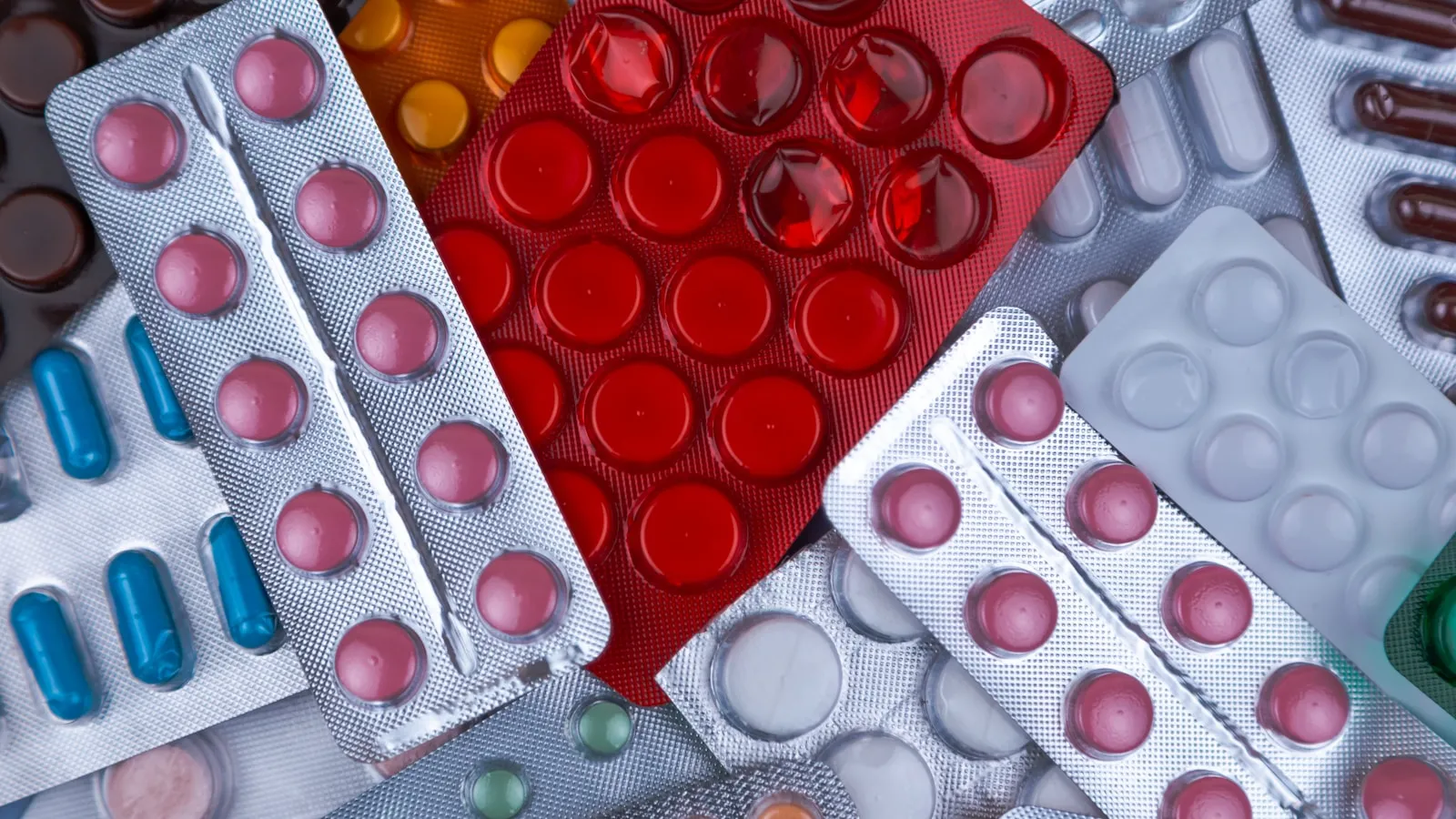
Weight loss medication in the Netherlands comes down to four active substances: semaglutide, tirzepatide, liraglutide and orlistat. The first three are injections. They dampen your appetite through hormones made in your gut.
In the STEP 1 trial, participants on semaglutide lost an average of 14.9% of their body weight over 68 weeks (Wilding et al., 2021). That is a lot of weight in a short time. Your pancreas, your kidneys and your vitamin stores all notice that drop.
Here is what strikes me about most Dutch pages on this subject. Nearly every one is written by a party that sells the drug. The side effects are listed properly. What happens in your blood meanwhile is rarely mentioned.
Below are the drugs in one list, and per drug the values that can move during use.
Which weight loss medication is available in the Netherlands?
Four substances are prescribed for obesity in the Netherlands: semaglutide (Ozempic, Wegovy), tirzepatide (Mounjaro), liraglutide (Saxenda) and orlistat (Xenical). The first three act on gut hormones that regulate hunger and fullness. Orlistat works differently and blocks the absorption of fat from your food. All four need a prescription.
| Brand name | Active substance | How it works | Values that may shift |
|---|---|---|---|
| Ozempic, Wegovy | Semaglutide | GLP-1 route | HbA1c, glucose, lipase, ALT |
| Mounjaro | Tirzepatide | GLP-1 and GIP route | HbA1c, glucose, lipase, triglycerides |
| Saxenda | Liraglutide | GLP-1 route, daily | HbA1c, glucose, lipase |
| Xenical | Orlistat | Fat absorption in the gut | Vitamin D, vitamin B12, ferritin |
The Dutch Farmacotherapeutisch Kompas describes the registered indication and the known side effects for each drug. It is the most sober Dutch source available. For the question of what a drug does in your case, your GP or treating doctor remains the person to ask.
Two of them get their own guide: liraglutide (Saxenda and Victoza) and orlistat (the fat blocker).
How do these drugs work in your body?
Semaglutide, tirzepatide and liraglutide mimic GLP-1, a hormone your gut releases after eating. That hormone slows down how fast your stomach empties and tells your brain sooner that you are full. Tirzepatide also acts on GIP, a second gut hormone. Orlistat leaves your appetite alone and works purely in the intestine.
For most people the result is the same. You eat less, not because your willpower improved, but because hunger arrives more faintly.
That distinction matters more than it sounds. Eating less also means less iron, less vitamin B12 and less protein. With tirzepatide the reductions in the SURMOUNT-1 trial went further still, up to 20.9% at the highest dose over 72 weeks (Jastreboff et al., 2022).
Which blood values shift during weight loss medication?
Roughly three groups of values can move. The first group shows the effect: HbA1c, fasting glucose and fasting insulin. The second group relates to the safety of your pancreas and liver: lipase, amylase and ALT. The third group covers what you still take in: ferritin, vitamin B12 and vitamin D.
That first group is why people start. HbA1c gives a picture of your average blood sugar over roughly eight to twelve weeks. As weight comes down, that value drops along with it in many people.
The second group is why monitoring exists at all. Lipase is the enzyme doctors look at when an inflamed pancreas is suspected. A meta-analysis of 76 trials found an increased risk of gallbladder and biliary disease with GLP-1 drugs, particularly at higher doses and when used for weight loss (He et al., 2022).
The third group gets the least attention and changes the slowest. A vitamin store does not empty in weeks. It empties over months.
The Dutch Voedingscentrum points out that weight loss goes hand in hand with loss of muscle mass, and that adequate protein plays a role there. For healthy older adults it puts the figure at 1.0 to 1.2 grams of protein per kilogram of body weight.
What if you get weight loss medication outside your GP?
A growing share of Dutch users arrange these drugs through an online clinic or a foreign supplier. Formally there is a prescriber. In practice there is often no blood draw beforehand and no follow-up afterwards.
That, to me, is where the real gap sits. Not in whether the drug works, because the trial literature shows that clearly enough.
The gap is the baseline. If you never measured what your lipase, your ALT and your ferritin were doing before you started, a value during treatment is hard to interpret. You cannot tell whether something changed or was always that way.
Take two people whose lipase both comes back at 71 U/l after four months. One started at 68, the other at 24. Same number, entirely different story.
When does a baseline measurement make sense?
A baseline is simply a blood draw before you start, so later values have something to be compared against. Some people choose to do this around the start, others only once a complaint appears. There is no fixed schedule that fits everyone, and your GP can help you work out what makes sense in your situation.
We built the GLP-1 baseline panel around exactly that: the effect values, the safety values and the deficiency values in one draw, assessed by a BIG-registered doctor.
If you want to understand the drugs themselves first, read on about how a GLP-1 injection works. If you are weighing up two drugs, Ozempic or Mounjaro sets out the difference. And for the complaints themselves there is an overview in Ozempic side effects.
I think the baseline is the part most people skip, and it is the cheapest thing on this whole list. We see plenty of results that would have been easy to read with a starting value beside them.
If you are starting soon, the most practical step is this. Have your starting values recorded before the first injection goes in. After that every measurement is a comparison instead of a snapshot.
References
- Wilding JPH et al. Once-Weekly Semaglutide in Adults with Overweight or Obesity. N Engl J Med. 2021. PMID 33567185
- Jastreboff AM et al. Tirzepatide Once Weekly for the Treatment of Obesity. N Engl J Med. 2022. PMID 35658024
- He L et al. Association of Glucagon-Like Peptide-1 Receptor Agonist Use With Risk of Gallbladder and Biliary Diseases. JAMA Intern Med. 2022. PMID 35344001
- Farmacotherapeutisch Kompas, monographs for semaglutide, tirzepatide, liraglutide and orlistat.
- Voedingscentrum, factsheet on older adults and nutrition (protein requirement).
Every blood test result includes a professional assessment from a BIG-registered doctor. For treatment decisions, discuss your results with your GP.
Autor
SlimmerLab
Dr. Naimi, lekarz wpisany do holenderskiego rejestru BIG, nadzoruje standardy medyczne naszych treści i ocen. Przeczytaj naszą politykę medyczną
Powiązane badania
Powiązane artykuły

Lowering triglycerides: what works and what your blood shows
Calculating HOMA-IR: what the index says about insulin sensitivity